
Writing can take forever to grade. But it doesn’t have to! This section offers guidance on how to grade more efficiently with rubrics that work.
How you grade writing depends on several factors:
- What are your objectives?
- What aspect(s) of the writing process are you emphasizing at the moment?
- How much scaffolding have you put in place to support your expectations?
- Will students have an opportunity to revise this draft?
- How will students make use of your comments in future writing?
- How will you hold students accountable for learning from their mistakes each time they write?
How can you grade writing more efficiently?
1) Decide on your revision policy. If students cannot revise the paper, there is little value to putting many marks or comments on the paper: a grade with a few sentences should be sufficient, esp. if you are using a thorough rubric like the ESSAY WRITING RUBRIC in the Download Zone.
2) You might simply give students a grade, then follow up with whole-class instruction about targeted items to revise (e.g., "Let's look at some solid examples of topic sentences your classmates wrote. What makes them effective? Now look at your own. How can you improve your own topic sentences?"). This approach is advocated in Doug Lemov's TLAC Blog Post "Reducing Teacher Workload by Re-thinking Marking...": THIS PIECE IS A MUST-READ. Seriously: Don't read any further on this page till you've checked this blog post out!!!
3) Here are some revision policies to consider:
|
|
|
|
4) Your revision policy should determine how extensively you comment on students’ papers. Here are some options:
|
|
|
|
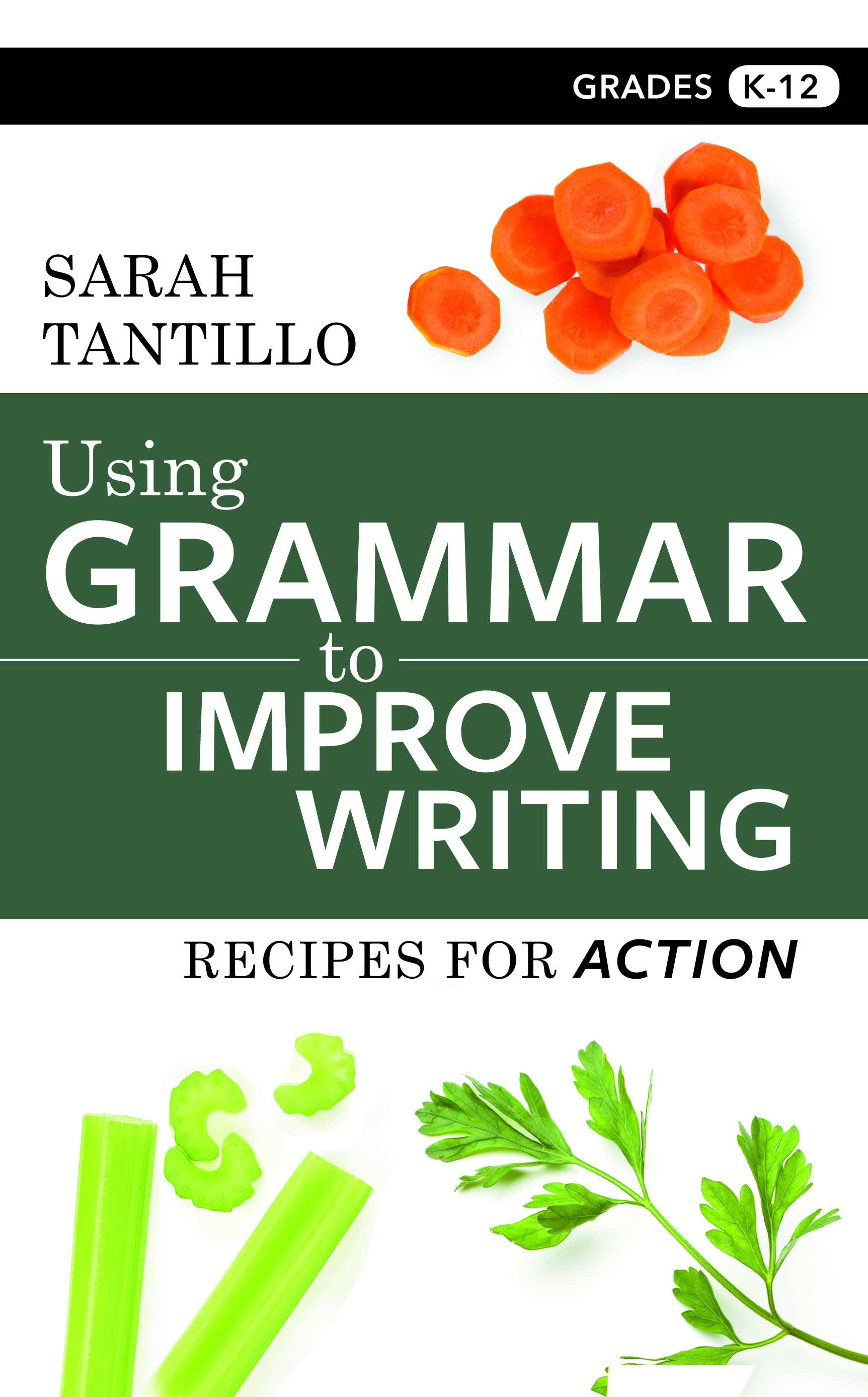 Check out Using Grammar to Improve Writing for more information on how to give faster feedback, how to conduct effective writing conferences, etc. Also, see my MiddleWeb Blog post "Feedback That Saves Time, Improves Writing."
Unit-planning tips:
- PLAN BACKWARDS. As Grant Wiggins and Jay McTighe like to say, start with the end in mind (Understanding by Design, Alexandria: ASCD, 2005).
- Provide models to make your expectations clear.
- Explain the project’s timeline/deadlines.
- Provide pre-writing graphic organizers.
- Collect the introduction and give immediate feedback on it before students go further. Without an effective thesis, the whole paper will fall apart!
WANT YOUR STUDENTS TO REFLECT ON THEIR WRITING? See this TLC Blog post "Preparing for End-of-Year Writing Reflections" and the End-of-Year Writing Reflections Sheet in the Download Zone.
IN THE DOWNLOAD ZONE for Writing Rubrics:
- ESSAY WRITING RUBRIC (NOTE: For a FREE DOWNLOAD of this file, click *HERE*.)
- JOURNAL WRITING RUBRIC
- OPEN-ENDED RESPONSE WRITING RUBRIC
- Personal Narrative Rubric
- Personal Narrative Project with Rubric
- POETRY EXPLICATION ESSAY RUBRIC
- RESEARCH PAPER RUBRIC
- Writer’s Notebook Rubric
- NJ ASK 3-5 Writing Rubric
- NJ ASK 6-8 Writing Rubric
- NJ HSPA Writing Rubric
- Interpretive Essay Rubric (Many thanks to Katy Wischow for this contribution!)
- PARCC Writing Rubrics Grade 3
- PARCC Writing Rubrics Grades 4-5
- PARCC Writing Rubrics Grades 6-11
- End-of-Year Writing Reflections Sheet
- PARAGRAPH RESPONSE Scoring Checklist
For more information on writing instruction, go to WRITING Home Page.